SPF Lip Balm for Sun Protection: How to Protect Your Lips From UV Rays
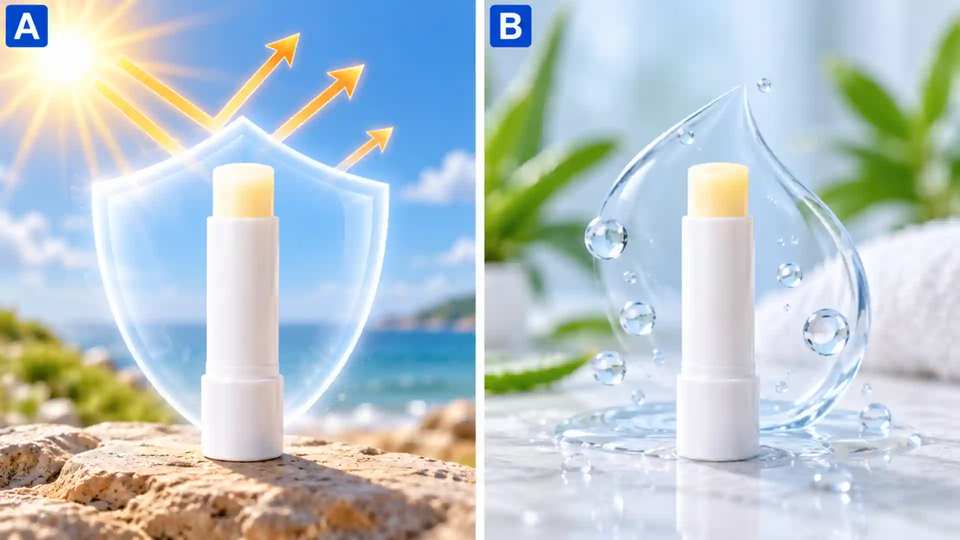
The correct quiz answer is A: Broad-spectrum SPF lip balm. An SPF lip balm helps protect your lips from ultraviolet (UV) radiation that can cause sunburn, premature aging, and damage associated with lip cancer. Choose a broad-spectrum SPF lip balm with SPF 30 or higher, apply it generously before outdoor exposure, and reapply at least every two hours while outdoors and after eating, drinking, or swimming. Combine lip balm with a wide-brimmed hat and other sun-protection measures for more complete protection.
Key Takeaways:
Choose broad-spectrum SPF 30 or higher to help protect against both UVA and UVB radiation.
Apply lip balm before going outdoors and reapply at least every two hours while outdoors, following the product label.
Protect your lips year-round, including on cloudy days and during winter activities.
Do not rely on lip balm alone; combine UV lip protection with shade, a wide-brimmed hat, and other sun-safe habits.
A lip sore, rough patch, or scaly area that does not heal should be evaluated by a healthcare professional.
This guide explains how SPF lip balm works, how to choose a suitable product, and how consistent sun protection can help reduce sun damage to lips.
Medical information notice: This article provides general educational information and does not replace individualized examination, diagnosis, or treatment from a qualified healthcare professional.
Quiz Answer: Which Lip Balm Helps Protect Your Lips From UV Rays?
Broad-spectrum SPF lip balm is the correct answer because it helps protect the lips against both UVA and UVB radiation. The American Academy of Dermatology recommends choosing lip balm with SPF 30 or higher for sun protection.
A lip balm without SPF may moisturize the lips, but it does not necessarily provide UV protection. Moisturizing ingredients and sunscreen protection serve different purposes, so check the product label rather than assuming that every lip balm protects against sunlight.
Apply SPF lip balm before going outdoors and reapply at least every two hours while outdoors, as well as after eating, drinking, swimming, or wiping your mouth. Follow the product label and combine lip protection with shade and other sun-safe habits.
Why Do Your Lips Need Sun Protection?
Your lips need sun protection because their exposed surface is vulnerable to ultraviolet radiation. Repeated UV exposure can cause inflammation, dryness, premature aging, and cellular damage that may contribute to lip cancer.
The outer surface of the lips differs from the skin on many other parts of the face. It has a thinner protective barrier and less of the pigmentation and other structural features that help protect ordinary skin from environmental stress.
The lower lip often receives substantial direct sunlight because of its position and exposure. People who spend long periods outdoors, drive frequently, work outside, or participate in water and snow sports should pay particular attention to lip protection.
Not every dry or cracked lip is caused by UV exposure. Weather, dehydration, lip licking, irritation, and allergic reactions can also contribute to discomfort. Persistent or unusual changes deserve professional assessment rather than repeated self-treatment.
What SPF Lip Balm Should You Choose?
Choose a broad-spectrum SPF lip balm with SPF 30 or higher for routine outdoor protection. Broad-spectrum labeling indicates protection against both UVA and UVB radiation.
SPF stands for sun protection factor. It primarily measures protection against sunburn-causing UV radiation under standardized testing conditions. A higher SPF generally indicates greater protection against UVB radiation when the product is used as directed, but SPF alone does not describe the full extent of UVA protection.
SPF 30 is a practical minimum recommended by dermatologists for lip protection. For prolonged outdoor exposure, such as hiking, boating, skiing, or spending a day at the beach, SPF 50 or higher may be worth considering if the product is comfortable to use.
No SPF rating eliminates all UV exposure. The protection you receive depends on applying enough product, covering the exposed lip surface evenly, and reapplying when necessary.
Which SPF Lip Balm Formula Is Best for You?
The best formulation depends on your activities, lip sensitivity, preferred texture, and willingness to reapply. A lip balm that feels comfortable and stays part of your daily routine may be more useful than one you rarely use.
Some SPF lip balms use mineral sunscreen ingredients such as zinc oxide or titanium dioxide. Other products use different permitted sunscreen ingredients. Both types can provide UV protection when appropriately formulated and labeled.
A moisturizing SPF lip balm can also help address dryness while providing sun protection. Ingredients such as petrolatum, certain waxes, and other emollients may help reduce moisture loss and support the lip barrier.
If a product consistently causes burning, stinging, itching, or increased cracking, stop using it and consider asking a healthcare professional for advice. Fragrances, flavors, and other ingredients may irritate sensitive lips.
How Should You Apply SPF Lip Balm Correctly?
Apply SPF lip balm before going outdoors, covering the exposed lip surfaces evenly. Reapply at least every two hours while outdoors and sooner after eating, drinking, swimming, sweating, wiping your mouth, or licking your lips, following the product's directions.
Check the label to confirm the SPF rating, broad-spectrum coverage, expiration date, and directions for use. Apply a consistent layer across the upper and lower lips, including the edges that receive direct sunlight. Avoid leaving large areas uncovered.
Keep the balm accessible so you can renew the coating when needed. Water resistance is not the same as waterproof protection, and not every SPF lip balm is water resistant. Follow the product label when swimming or sweating.
Do not share lip balm if doing so could transfer saliva or infections. Store sunscreen products according to the manufacturer's instructions and avoid prolonged exposure to excessive heat.
Do You Need SPF Lip Balm Every Day?
UV radiation can reach exposed skin even when the sky is cloudy, so lip protection remains useful throughout the year. Cold weather does not eliminate the need for sun protection either. Wind and low humidity can dry the lips, while UV exposure can occur during winter outdoor activities.
For everyday commuting, keep broad-spectrum SPF lip balm with your daily essentials. During hiking, outdoor work, or other prolonged activities, use SPF 30 or higher, reapply regularly, and wear a wide-brimmed hat when practical.
For beach or pool activities, consider a product labeled water resistant when appropriate and follow its directions. For skiing and snow sports, use broad-spectrum SPF lip balm and renew it during outdoor activity.
Make SPF lip balm part of your regular sun-protection routine rather than reserving it only for summer holidays.
How Can You Protect Your Lips Beyond SPF Lip Balm?
SPF lip balm is one part of a broader sun-protection routine. Wear a wide-brimmed hat that shades your face and lips, seek shade when UV exposure is intense, and apply broad-spectrum sunscreen to other exposed skin according to its directions.
Reapply lip protection after eating, drinking, swimming, or wiping your mouth. Avoid tobacco products and discuss personal cancer risk factors with a healthcare professional.
A lip balm without SPF may still be useful for moisturizing, but it should not be treated as a substitute for sunscreen protection. Choose a product that clearly states its SPF and broad-spectrum coverage when UV protection is your goal.
Although sun-protection products can reduce UV exposure, they cannot guarantee that lip cancer will be prevented. Consistent protection and attention to unusual changes are both important.
Common SPF Lip Balm Mistakes to Avoid
Choosing SPF without checking broad-spectrum coverage: A high SPF number alone does not confirm that the product protects against both UVA and UVB radiation.
Applying too little: A thin or uneven coating may leave parts of the lips unprotected. Apply enough to cover the exposed surfaces consistently and follow the product's instructions.
Forgetting to reapply: Eating, drinking, and wiping your mouth can remove SPF lip balm. Reapply as directed, especially during outdoor activities.
Using expired or heat-damaged products: Check the expiration date and storage instructions. Avoid leaving lip balm in a hot car or exposing it to direct sunlight for extended periods.
Assuming moisturizing lip balm provides sun protection: A regular lip moisturizer does not necessarily contain sunscreen ingredients. Look for a clearly labeled SPF lip balm with broad-spectrum coverage.
Ignoring persistent lip changes: Roughness, scaling, bleeding, sores, or lasting changes in color or texture should not automatically be attributed to weather or chapped lips.
Frequently Asked Questions About SPF Lip Balm
Which lip balm helps protect your lips from UV rays?
A broad-spectrum SPF lip balm helps protect against both UVA and UVB radiation. Choose SPF 30 or higher for routine outdoor protection.
Is SPF 30 lip balm enough for everyday use?
Broad-spectrum SPF 30 or higher is a practical choice for everyday sun protection when applied correctly and reapplied as directed.
Can a regular lip balm without SPF protect against UV rays?
A regular lip balm may moisturize your lips, but it does not necessarily provide UV protection. Check the label for an SPF rating and broad-spectrum coverage.
How often should I reapply lip balm with SPF?
Reapply at least every two hours while outdoors and sooner after eating, drinking, swimming, or wiping your mouth, following the product label.
Should I use SPF lip balm in winter or on cloudy days?
Yes. UV exposure can occur throughout the year, including on cloudy days and during winter outdoor activities. Broad-spectrum SPF lip balm is useful whenever your lips are exposed to sunlight.
Does SPF lip balm prevent lip cancer?
SPF lip balm helps reduce UV exposure and may lower one source of risk, but it cannot guarantee prevention. Combine it with shade, a wide-brimmed hat, and attention to persistent lip changes.
What should I do if SPF lip balm irritates my lips?
Stop using the product if it causes persistent burning, stinging, itching, or a rash. Consider a different formulation and consult a healthcare professional if symptoms continue or worsen.
Sources
- American Academy of Dermatology (AAD). How to Apply Sunscreen. https://www.aad.org/public/everyday-care/sun-protection/shade-clothing-sunscreen/how-to-apply-sunscreen
- American Cancer Society (ACS). How to Protect Your Skin from UV Rays. https://www.cancer.org/cancer/risk-prevention/sun-and-uv/uv-protection.html
- American Academy of Dermatology (AAD). Actinic Keratosis: Overview. https://www.aad.org/public/diseases/skin-cancer/actinic-keratosis-overview
- U.S. Food and Drug Administration (FDA). Tips to Stay Safe in the Sun: From Sunscreen to Sunglasses. https://www.fda.gov/consumers/consumer-updates/tips-stay-safe-sun-sunscreen-sunglasses
- American Academy of Dermatology (AAD). 7 Dermatologists' Tips for Healing Dry, Chapped Lips. https://www.aad.org/public/everyday-care/skin-care-basics/dry/heal-dry-chapped-lips
- The Skin Cancer Foundation. Driving Your Risk for Skin Cancer. https://www.skincancer.org/blog/driving-your-risk-for-skin-cancer/